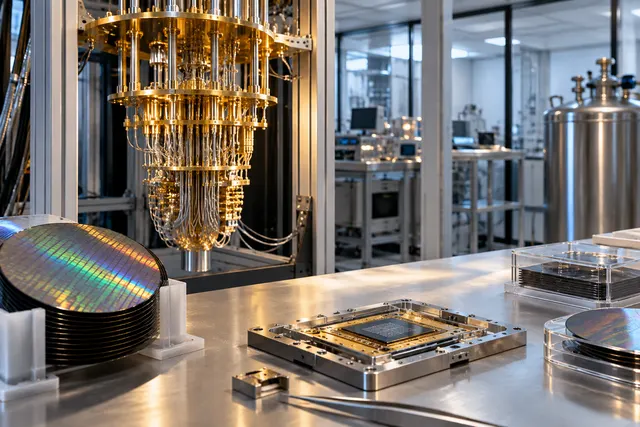
Image: AI-generated editorial illustration
Intel announced on Oct. 26 that it has agreed to acquire Classiq, a Tel Aviv-based quantum software startup, in a transaction later reported at about $2.3 billion. The deal is designed to pair Classiq’s hardware-agnostic algorithm-synthesis platform with Intel’s silicon spin-qubit work and chip manufacturing, but it is not expected to close until the first half of 2027.
Intel said it will acquire Classiq, a Tel Aviv-based quantum-computing software company, in a definitive agreement announced Oct. 26. The chipmaker said the transaction is subject to regulatory approvals and other customary closing conditions and is expected to close in the first half of 2027.
The price was not disclosed in Intel’s announcement, but Bloomberg reported that Intel agreed to pay about $2.3 billion, citing people familiar with the matter. Globes later reported that the consideration was split into $1.9 billion subject to purchase-price adjustments plus up to $350 million in contingent consideration tied to milestones. Globes also reported that Intel had not yet determined how much would be paid in cash versus Intel shares.
What is Intel buying?
Intel is buying a software platform that helps users design quantum algorithms without manually specifying every elementary operation. Intel said the deal would combine Classiq’s quantum-algorithm synthesis platform with Intel’s silicon spin-qubit manufacturing and existing quantum-software capabilities to create a full-stack quantum-computing platform.
Classiq’s software is described as hardware-agnostic, meaning it is intended to work across different quantum-hardware systems rather than only on one vendor’s machines. Intel said that will continue after closing, including support for integrations with other vendors’ hardware.
Reporting from The Quantum Insider said Intel plans to keep Classiq’s software available across different quantum hardware platforms while offering manufacturing and related technologies to other quantum companies. Vertex Ventures Israel, an investor in Classiq, said the company was founded in 2020 and built a platform that lets developers, researchers and enterprises design, optimize and run quantum applications without managing the underlying hardware complexity.
Why does Intel want Classiq?
Intel’s stated rationale is to move its quantum efforts closer to commercialization. The company said the acquisition would help build a full-stack quantum-computing platform, and The Quantum Insider reported that Intel executives framed the deal as a way to add software and enterprise customers to a decade-long research effort.
Intel CEO Lip-Bu Tan was described by Qubit Community as saying the acquisition would help make Intel a "full stack revenue-generating quantum computing company," while The Quantum Insider reported Intel did not give a timetable for profitability or for commercially useful quantum systems at scale.
The Quantum Insider also reported that Intel’s own hardware work remains focused on silicon spin qubits, with quantum chips and control electronics manufactured at its Hillsboro, Oregon facility. The company said its quantum process, identified as 18AQ, uses the interconnect geometry and design rules associated with its 18A technology, and that more than 90% of the manufacturing equipment is the same as in Intel’s conventional semiconductor production, with some specialized tools needed.
What happens before closing?
Intel and Classiq are expected to continue operating independently until the transaction closes. Intel said the deal still needs regulatory approvals and other conditions, and Globes reported that closing is expected in the first half of 2027.
Classiq’s customer list suggests Intel is buying into an enterprise software business, not just a research project. The Quantum Insider reported that Classiq was already serving customers in automotive, aviation, telecommunications, banking and pharmaceuticals, and named BMW, Lufthansa, Comcast, Wells Fargo, Merck and Rolls-Royce as users of the platform.
Qubit Community reported that Intel plans to make Classiq its global development center for quantum computing, with Classiq CEO Nir Minerbi saying the company will lead Intel’s quantum strategy from Israel. Minerbi also said the sale beat SPAC and IPO routes that Classiq had been exploring.
For now, the acquisition remains an announced transaction, not a closed one. The next phase will depend on approvals, closing conditions and the final structure of the consideration.
Sources
- Does Intel share price fall put Classiq acquisition at risk?en.globes.co.il· Globes
- Qubit Community Weekly Newsletter #89qubitil.substack.com· Qubit Community Weekly Newsletter
- Intel to Acquire Classiq to Create a Full-stack Quantum Computing Platformintel.com· Intel
- Intel to Buy Quantum Startup Classiq for About $2.3 Billionbloomberg.com· BloombergUnverified URL
- Intel to buy quantum firm Classiq for about $2.3 billion, Bloomberg News reportsreuters.com· ReutersUnverified URL
- Intel’s Classiq Deal May Signal a Pivot From Quiet Quantum Effort To Active Commercializationthequantuminsider.com· The Quantum Insider
- Intel to acquire Classiq in reported US$2.3 billion deal, giving quantum computing its full-stack platformvertexholdings.com· Vertex Ventures Israel