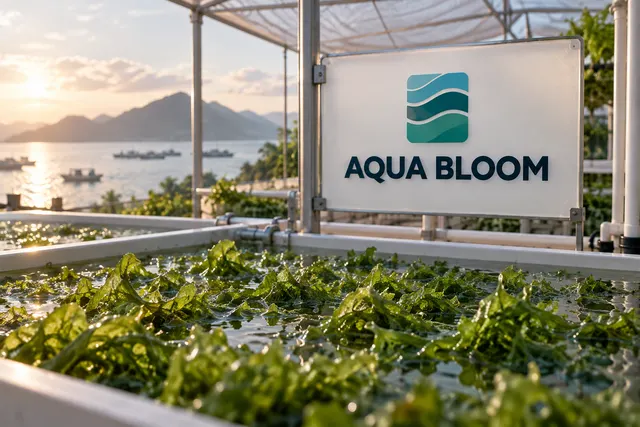
Image: AI-generated editorial illustration
AquaBloom, an Indonesia-based agribiotechnology startup founded in 2024 by CEO Michelle Arsjad, has raised an undisclosed seed round led by Spiral Ventures, according to reports published on November 10 and November 12. The round also included Potato Impact Partners, Archipelago VC and angel investors, and the company said the capital will support production, research and broader distribution of its seaweed-based biostimulants in Indonesia.
AquaBloom, an Indonesia-based agribiotechnology startup founded in 2024 by CEO Michelle Arsjad, has raised an undisclosed seed round led by Spiral Ventures, according to reports published on November 10 and November 12. The round also included Potato Impact Partners, Archipelago VC and angel investors, and the company said the capital will support production, research and broader distribution of its seaweed-based biostimulants in Indonesia.
What did AquaBloom raise?
AquaBloom raised an undisclosed seed round, with Spiral Ventures leading the financing and Potato Impact Partners, Archipelago VC and angel investors also participating. The company’s funding was reported by e27 on November 10, then confirmed again in separate coverage by Purnama News on November 12 and in a Startup Researcher post on X on November 11.
Potato Impact Partners also published a first-party post confirming its investment in AquaBloom, though it did not disclose the amount or transaction terms. The size of the round, valuation and other terms were not disclosed in the available reporting.
What does AquaBloom make?
AquaBloom says it develops seaweed-based biostimulants for crop yields and feed additives for livestock health and productivity. The company also describes itself as a seaweed-based agribiotechnology startup with a mission to unlock tropical seaweed potential, starting from Indonesia.
Biostimulants are products used to improve plant performance, often by supporting growth, resilience or nutrient use efficiency rather than acting as conventional fertilizers. In AquaBloom’s case, the company says its formulations are tailored to local crop types and farming conditions, and that its products are priced competitively with other biostimulants.
Purnama News reported that AquaBloom’s products are intended to help farmers raise productivity while creating higher-value uses for Indonesian seaweed. The company says the seaweed it uses is cultivated by Indonesian coastal communities, linking its supply chain to local producers.
Why are investors backing the company?
According to Purnama News, Michelle Arsjad said AquaBloom’s biostimulants have undergone more than 40 field trials across 10 Indonesian provinces. She also said the new funding will support research, expanded production capacity and wider distribution in Indonesia.
Investor commentary in Purnama News points to traction as well as product validation. Spiral Ventures partner Irawan Ganda said AquaBloom already had three products registered for sale in Indonesia when it approached the firm, and that all of the company’s products are made from Indonesian seaweed while established market brands are imported. He also said founder Michelle Arsjad has operational experience in Indonesia’s agricultural supply chain, while AquaBloom’s product development team has experience at Bayer, Syngenta and Corteva.
Potato Impact Partners investment lead Tessa Charupatanapongse said AquaBloom had products proven to work on 30 crop types, a distribution network reaching smallholder farmers and a founder who understands farmers’ needs. Archipelago VC principal Olivier Lentze said the firm met AquaBloom and Michelle in 2025, before the company recorded its first revenue, and that over the following 18 months AquaBloom won customers with larger purchase volumes, drove farmer adoption and increased production while keeping prices affordable.
What happens next for AquaBloom?
AquaBloom says the capital will be used to increase production capacity, continue research and field trials, and expand product distribution across Indonesia. Spiral Ventures also said it will support the company in scaling production and opening access to agricultural companies and business groups in Japan and the broader region.
The company’s near-term opportunity sits in Indonesia’s seaweed supply chain. Purnama News reported that Indonesia is the world’s second-largest seaweed producer after China, but that most domestic seaweed is still exported dried as a relatively low-value commodity. AquaBloom’s pitch is to capture more value locally by turning seaweed into agricultural inputs that can connect coastal cultivators with inland farmers.
The financing adds to earlier backing from investors including Altrui Investment Management, according to Purnama News. It also suggests AquaBloom is trying to turn field-tested products into a larger commercial business, with the next stage centered on manufacturing scale, market access and distribution rather than a new product announcement.
Sources
- JUST IN - Asia: Jakarta-based AquaBloom has raised an undisclosed seed roundx.com· Startup Researcher on X
- AquaBloom Raih Pendanaan Tahap Awal untuk Perluas Riset dan Kapasitas Produksi Biostimulan di Indonesiapurnamanews.com· Purnama News
- AquaBloom raises seed funding to turn Indonesia’s seaweed into climate armour for farmerse27.co· e27
- Potato Impact Partners invests in AquaBloom to support Indonesia’s farmers and seaweed value chainpotatoimpactpartners.com· Potato Impact Partners