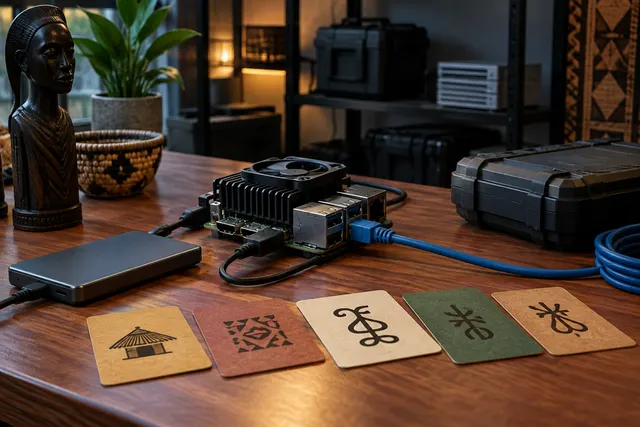
Image: AI-generated editorial illustration
According to a Nov. 15, 2026 post from Nion's @nioncorp X account, NIL-3B is positioned as a local-first model for times when connectivity drops. The company says the open-source model can run on a 4GB machine, does not require cloud calls, and supports 32 African languages and dialects.
According to a Nov. 15, 2026 post from Nion's @nioncorp X account, NIL-3B is positioned as a local-first model for times when connectivity drops. In its X post, the company said the open-source model can run on a 4GB machine, does not require cloud calls, and supports 32 African languages and dialects.
The company also linked a Hugging Face repository where NIL-3B is distributed as a GGUF model for local inference. The repository identifies the model as a 3B-parameter text-generation model using llama.cpp for conversational use, and lists the published file as nil-3b-q4_k_m.gguf, a 4-bit variant with a size of 2.02 GB.
What does Nion say NIL-3B is built to do?
Nion says NIL-3B is meant to keep working when internet access is unreliable. The company’s announcement frames the model as useful when connectivity fails, and the repository describes it as a local-inference package.
That positioning is reinforced by the Hugging Face page, which says the model can be run without a hosted API. For users who want to run the model on their own hardware, the package is built around local execution rather than a cloud endpoint.
The company’s post also describes the model as approximately 2GB, a figure that aligns closely with the Hugging Face listing for the published GGUF file at 2.02 GB. Nion’s announcement says the model can run on a 4GB machine, but that claim is company-reported and should be read as a self-described capability rather than an independent benchmark.
How can developers run the model locally?
The repository gives several paths for local deployment. It tells users to install requirements and launch a chat script, and says that script expects the GGUF file in the project root. It also includes instructions for direct terminal inference with llama.cpp, as well as a local OpenAI-compatible server setup using llama.cpp.
Beyond that, the page documents deployment options through vLLM, Ollama, and Docker Model Runner. That means NIL-3B is packaged to fit multiple local serving stacks.
The repository also says it contains an uploader script that can create the model repository if needed and upload the GGUF file. It advises users to review the target repository and its visibility before upload, which suggests the distribution flow is intended to be flexible for different local or private setups.
What does the repository say about rights and provenance?
The Hugging Face page includes a caution that matters for anyone planning to ship or reshare the model. It says the root LICENSE covers source code only and does not by itself confirm rights for model weights or training data. The page also says rights and provenance should be confirmed before making the repository public.
That warning is relevant because the repository is being offered as a practical distribution point, but not as a full legal provenance statement. In other words, the packaging makes NIL-3B easy to run locally, but the repository itself tells users to verify the underlying rights before treating it as fully cleared for public release.
The Hugging Face metadata names the repository author as nioncorp, and the page says the model is not deployed by any Inference Provider. Hugging Face also shows 67 downloads for the repository in the last month.
The launch centers on a 3B local model distributed in a format that works with common runtimes, and pitched by Nion as an offline-capable tool for 32 African languages and dialects.
Sources
- nioncorp/nil-3b-ggufhuggingface.co· Hugging Face
- Nion announces NIL-3B on Xx.com· Nion